

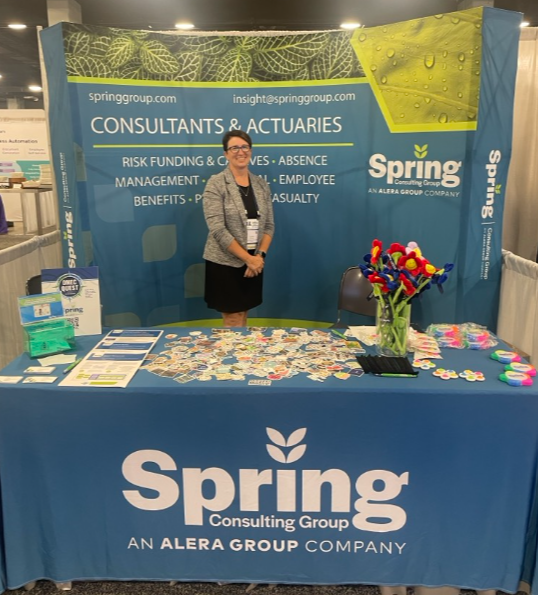
As summer winds down, the Disability Management Employer Coalition (DMEC) hosted its 2024 Annual Conference in the energetic city of Nashville, TN. Known for its rich musical heritage, Nashville provided a lively backdrop for this year’s event, bringing together professionals from across the absence management spectrum to discuss the latest trends, challenges, and best practices. Here are some key highlights from the conference.
1) The Future of Paid Family and Medical Leave (PFML)
The focus on mental health remains prevalent as organizations continue to find innovative ways to support employee well-being. This year’s conference offered valuable insights into how mental health is evolving in the benefits industry:
-The session The Importance of a Guided Claim Experience emphasized the need for compassionate and informed support during the claims process, which can significantly impact employee well-being.
– I was joined by a group of leave solution leaders to examine findings from a recent leave report which looked at various factors including recruitment, retention, productivity, moral, and more with a focus on how successful employers are addressing leave managementns on benefits spend and workplace culture.
– One of the catchiest presentations, Walk, Crawl, Run: The PWFA Turns One, reflected on the one-year anniversary of the Pregnancy Workers Fairness Act (PWFA) and best practices for HR teams to stay compliant.
2) ADA/FMLA Compliance Updates
Navigating the complex web of federal, state, and local regulations remains a critical challenge for employers. This year’s sessions provided valuable guidance on staying compliant while managing diverse and geographically dispersed workforces:
– The Cost of Compliance: ADA/FMLA Court Cases and Jury Verdicts offered a deep dive into recent legal cases, providing lessons on how to avoid costly compliance mistakes.
– The ADA Compliance Mini Boot Camp led by Rachel Shaw was a must-attend for anyone looking to deepen their understanding of ADA requirements and refine their compliance strategies. This workshop was instrumental in equipping participants with tools to tackle common challenges and elevate their programs.
– I led a workshop with Baystate Health’s Manager of Disability and Leave, Lauren McCormick, in a session titled A Step-by-Step Guide to Refining Your ADA Strategy. In an interactive format, the session provided participants an opportunity to address real-life ADA scenarios and how to best address each individual case using a methodical process.
3) Telework Accommodations
As companies continue to navigate the post-pandemic landscape, finding the right balance between remote work and returning to the office is top of mind. The conference sessions provided practical insights into managing this transition effectively:
– The session “You Can Have Paid Leave AND a Productive Workforce. Here is the Secret Sauce.” explored how flexible work arrangements can coexist with robust paid leave policies to enhance employee satisfaction and productivity.
– Council from Reliance Matrix explained how many employers are quick to provide leave of absence to workers with a medical condition, whereas many alternative compliant leave options exist in their presentation, Encouraging Employees to Stay at Work or Return to Work.
–Another eye-catching session, We Goofed. Now What? An Accommodations Tale, brought light to a common scenario in which an employer fails to provide adequate accommodations under the ADA and/or PWFA; as well as best practices to address said employees’ needs.
4) Tech/AI’s Role in Absence Management
Technology continues to play a transformative role in the absence and disability management space, offering new ways to streamline processes and improve decision-making:
– Spring’s in-house attorney, Lynne Noel, together withPatagonia’s Senior Manager, Leave of Absence, Lauren Shipper, discussed Using Benchmarking to Refresh Your Program. They highlighted the importance of leveraging data to stay competitive and refine absence management programs. Insights provided actionable strategies for using benchmarking as a tool for continuous improvement.
– A group of data analytic experts explained the practical parameters of AI solutions in claims processes and the upsides and dangers to implementing AI systems in their presentation, The Transformation: How AI is Enhancing Analytics and Optimizing Decision-Making.
– During the session, The Future of AI in Leave and Disability Management, three leave and disability administrators discussed the current state of AI in the industry and how it can help streamline processes and improve employee satisfaction.
Final Thoughts
The DMEC 2024 Annual Conference in Nashville was a resounding success, filled with opportunities to learn, connect, and share best practices. From deep dives into compliance and mental health to exploring the latest technological innovations, the conference offered something for everyone. As always, it was a pleasure to reconnect with industry leaders and bring back fresh ideas to enhance our consultative offerings. We’re already looking forward to what next year’s conference will bring!
Our captive team joined the Global Captive Podcast to record an episode reviewing Spring’s recent efforts in securing tentative authorization for a client from the Department of Labour regarding an ERISA exception for a pension risk transfer. You can find the full podcast episode here.
The United States Department of Labor (DOL) has tentatively authorized an Employee Retirement Income Security Act (ERISA) exemption regarding pension plan risk transfer to a captive. This healthcare network is the first organization in history to receive ERISA approval to transfer pension risk in a captive. This is groundbreaking news, as it opens the doors for plan sponsors to better manage their risk related to defined benefit pension plans programs. In short, using captive insurance companies rather than traditional insurers alone gives plan sponsors the opportunity to fund their pension risk more cost effectively.
Their employees engage in groundbreaking cancer research and provide lifesaving care for patients. The employer engaged with Spring, to help design and implement this unique program for its retirement benefits. This included conducting actuarial analyses, navigating vendor and partner avenues, structuring transaction and direct contact with the DOL to work through the exemption process. Once approved, the employer is anticipated to receive $126.4 million in financial benefits from the DOL. As part of the terms of the exemption, the employer will be providing a one-time cost of living increase to the monthly retirement benefit to all plan participants and beneficiaries.
This is a groundbreaking next step in the evolution of risk management programs and set the stage for many other employers who are trying to structure a better program for their employees.
Every industry has its own challenges and nuances. Since our client base is widely varied, we routinely partner with our clients to tackle unique, industry specific obstacles as they build out customized employee benefit programs and strategies. When it comes to the airline sector, a specific pain point relates to adequate long term disability coverage for their licensed pilot employees.
Background
Pilot union contracts typically require airlines (the employer) to provide long term disability (LTD) insurance to their pilots, but this coverage has become nearly impossible to procure in the traditional LTD market, for a range of risk reasons:
- Volatility and financial hardships in the airline industry, with bankruptcies and federal bailouts not uncommon
- Pilot unions, such as ALPA, APA, and SWAPA, can be litigious in fighting for their members, making pilots less favorable in the eyes of insurance carriers
- Federal Aviation Administration (FAA) oversight regarding the fitness of a pilot complicates claims processes
- The nature of the job poses special risks, including:
- Consistent exposure to high altitude
- Safety considerations
- Prone to illness or injury due to physical and mental demands
Pilots are humans like the rest of us, but given the stressful nature of their job and the consequences of their environment, they might be in greater need of LTD coverage than the average worker. For example, the FAA estimates the prevalence of substance misuse is 8.5% among pilots, with other sources placing that rate as high as over 15%1.
Sensibly, the FAA’s regulations around pilot licensing are very stringent, so there is a large risk that a pilot will lose their license over a medical condition, including the substance issues referenced above. As a result, the gap in the market for conventional LTD coverage has yielded a specialty market specific for pilots, which is based on the loss of a pilot’s license instead of the traditional definitions of disability, which are based on the ability to perform either the material and substantial duties of one’s own occupation or any occupation which could be reasonably expected to perform in light of their background. Since these loss of license plans are generally structured either as a monthly benefit while a pilot is grounded or as a lump sum, pilots who do not lose their license essentially have no product option available that provides income replacement as a traditional LTD plan would. In addition, even when the specialty coverage would provide a benefit, it is limited in availability and, with very little competition, premiums are high and there is minimal, if any, room for customization.
Potential Solution
At Spring, we often say that captives are the whiteboard of insurance, meaning that they can be leveraged and crafted in a diverse range of ways to solve for unique and evolving challenges. LTD coverage for pilots can be added to that whiteboard.
Most airlines currently have a captive insurance company, which they may only be utilizing for property and casualty (P&C) lines of coverage. Even when an airline does have employee benefits in their captive, they are typically not leveraging the captive for long term disability insurance or other voluntary benefits.
Long tail risks such as disability are particularly beneficial for captives. Traditionally, when premiums are paid to carriers they hold and maintain any investment income earned on reserves. When funding these long-term liabilities through a captive, the investment income earned is held until the time of loss and stays within the captive. These investment returns are substantial and serve as yet another benefit for placing disability coverages into the captive.
Having employee benefits (including LTD) in a captive provides the following advantages:
- Cost savings and improved cash flow
- Increase cost certainty and support budgeting
- Reduce operating costs
- Control over underwriting and funding
- Flexibility in terms and conditions
- Better claims management
- Improved access to data
The biggest benefits for airlines placing LTD through their captive program is creating greater control of customization of coverage and are less susceptible to market volatility and pricing by moving away from the commercial market.
Having a combined P&C and employee benefits captive program, which incorporates LTD, would further strengthen the airline’s overall captive and risk management strategy by offering risk diversification, since LTD risks are unrelated to the existing P&C risks underwritten in the captive. Along with projected increased profits of the LTD line of coverage, this approach increases the number of statistically independent exposures, which improves the stability of the overall program. In addition to LTD, medical stop loss could also be added to the captive to protect against catastrophic claims and create more predictability.
Action Plan
LTD insurance for pilots has been an issue for years in the airline industry, and no optimal commercially available solution has come forth. Captive insurance has long been a strategic approach to niche or especially challenging insurance obstacles and essentially how and why captives were born. The LTD commercial market is prime for disruption, and for those willing to move towards a more flexible and beneficial program, a captive insurance company can provide an answer.
The absence management conversation is a critical component of every employer’s broader employee benefit strategy discussion these days, especially given the competitive talent market and the rapidly evolving regulatory landscape surrounding leave of all types and at all levels (federal, state, local). Now, more than ever, employers and employees need to understand how all available benefits, including supplemental health plans, such as Accident, Critical Illness, and Hospital Indemnity, work together. Compliance isn’t the only consideration, though. Employers need to be sure not to duplicate processes which can increase costs as well as to ensure a smooth and positive employee experience.
Understanding supplemental health products and the benefits provided by them ensures that those paying for the coverage will fully utilize the benefits available. Since Accident, Critical Illness, and Hospital Indemnity benefits are paid when an accident occurs, a critical illness is diagnosed, or a hospital stay is required due to injury or illness, they offer a way to fill in the financial gaps left by traditional health insurance, disability coverage, and paid leave benefits. The lump sum benefits paid by the supplemental health plans can be used to cover out-of-pocket expenses like medical copays and deductibles, as well as to supplement the income replacement benefits provided by paid leave and/or disability plans.
The good news is that insurance carriers have made significant progress over the last few years toward the integration of absence and supplemental health products.1 Many are, now, not only bundling supplemental health products with their core disability and absence products and offering a package discount to the core products when quoting, but also tackling the more complex issue of how to ensure that employees enrolled in supplemental health plans are receiving the financial benefit of the products they pay for with payroll deductions.
To ensure that supplemental health plan participants receive the benefits they are entitled to under their policies, most carriers are digging into questions like:
- How can they identify disability and leave claimants who are also enrolled in one or more supplemental health product(s)?
- Is there a way to leverage the claim information obtained during the leave and disability claim process(es) to pay supplemental health claims without having to request redundant or additional medical information?
Carriers are also reviewing their processes to find efficiencies and create a better claimant experience. This internal retrospection has led to things like coordinated leave, disability, and supplemental health claim intake and the sharing of medical information across all claims. Many carriers are not only building out coordinated claim paths and workflows for leave, disability, and supplemental health claims, but they are also having their leave and disability claim specialists conduct routine analysis of current leave and disability claim files to see what other coverages an insured is eligible for and whether the medical information on file could be used to adjudicate the corresponding supplemental health benefit claims. Some carriers who have access to medical claim files offer auto-generated notifications, which are sent to supplemental health plan participants, reminding them of their supplemental health benefits based on the medical claim data. Software and technology companies as well as third-party administrators (TPAs) who often handle leave benefit administration are also focused on product improvements in the areas of artificial intelligence (AI), automations, self-service portals, communications, intake, and reporting. All these claim process adaptations alleviate steps for the insured and make it easier, overall, for them to know what benefits are available and be able to utilize them. They also help claimants to maximize the value of the benefits for which they are paying and enhance the customer experience that is top of mind for employers of all types, sizes, and industries.
1 Spring Consulting Group. 2022-2023 Integrated Disability, Absence, and Health and Productivity Vendor Benchmarking Survey.
In a recent podcast from Global Captive Podcast, president and CEO of edRISK, Tracy Hassett, and our SVP, Prabal Lakhanpal, dive into the history of edRISK and how educational institutions have been able to leverage a captive to reduce health insurance costs and reduce liability. You can find the full podcast episode here.
Every year, the Risk Management Society (RIMS) hosts its annual RISKWORLD conference, serving as an opportunity for 10,000+ risk professionals to convene and discuss the industry’s future. Against the backdrop of San Diego, this year’s conference was a testament to the ever-evolving landscape of risk management and insurance. As industries grapple with unprecedented challenges, the conference emerged as a beacon of insight, fostering discussions on cutting-edge practices, emerging trends, and innovative strategies. Here are some of the most popular topics discussed during this year’s conference.
1. Emerging Trends and Industry Challenges
The insurance industry is constantly evolving, presenting both opportunities and obstacles for risk management professionals. These sessions explored the latest trends, regulatory changes, and strategic approaches to navigating the dynamic landscape of risk management.
– As climate change and natural disasters continue to impact rates nationwide, experts discussed “How All Industries Can Manage Their Water- and Nature-Related Risks.”
– The session, “Risks Today or Risks Tomorrow? Leveraging Data for Future-Proof Risk Management,” featured how geolocation and risk data are being used to influence property and casualty (P&C) strategies.
2. Forward-Thinking Approaches and Strategies
Innovation lies at the heart of effective risk management, and RISKWORLD 2024 showcased forward-thinking tactics for staying ahead. From optimizing risk transfer and resilience planning to exploring new methodologies for risk assessment and mitigation, attendees gained valuable insights into cutting-edge techniques and innovative strategies that are reshaping the landscape of risk management, ensuring they are well-equipped to tackle the challenges of tomorrow.
– A lawyer discussed common roadblocks and assumed contractual liability regarding “Strategies for Effective Risk Transfer and Mitigation.”
– Financial leaders from LinkedIn and Orgill discussed their concerns about employee safety, mitigating risk and ensuring organizational success in their session, “From Forecast to Forefront: New Research on the CFO’s Strategic Mindset and Trends to Watch in Risk Management.”
– A risk manager from a manufacturing organization discussed the importance of “Strategic Decision Making” and how to address suboptimal results internally.
3. Diversity, Equity, and Inclusion (DEI)
Promoting diversity, equity, and inclusion has become a strategic imperative for organizations across industries. These sessions highlighted the importance of fostering inclusive workplaces, advancing DEI initiatives, and leveraging diverse perspectives for business success.
– Leaders from the National African American Insurance Association (NAAIA), the Asian American Insurance Network (AAIN), the Latin American Association of Insurance Agencies (LAAIA), Rainbow Risk Alliance, Insure Equality, and the Association of Professional Insurance Women (APIW) shared their experience with introducing DEI efforts in their discussion, “Championing Diversity: Industry Leaders Speak Out.”
– In the session, “DEI Is Not Going Anywhere and Here’s Why: The Who, What, Where, When and Why of DEI,” experts discussed the importance of DEI programs and specific success stories.
– As DEI is receiving some societal backlash, the presentation “The Rise and (Fall?) of DEI: Exploring the Impact of Diversity, Equity, and Inclusion Initiatives on Risk Management” focused on current trends and future of DEI efforts.
4. AI, Technology, and Innovation
Innovation in technology is transforming the insurance landscape. These sessions delved into the role of artificial intelligence, cybersecurity, and data analytics in shaping the future of risk management.
– In their presentation, “AI Revolution: A New Era for Risk Management and Loss Control,” a group of risk managers discussed how they are using AI to help with workers’ compensation applications, loss prevention, and fraud identification.
– Google Cloud’s CISO discussed the latest trends in generative AI and how it can impact the insurance sector in his session, “Navigating the W(AI)LD West: Maximizing the Transformative Power of AI.”
– A session from the RIMS New York Chapter, “AI Did What? Anticipating Insurance Coverage Issues Arising from AI Liabilities,” evaluated the kinds of liabilities and potential issues that can arise from utilizing AI in risk management.
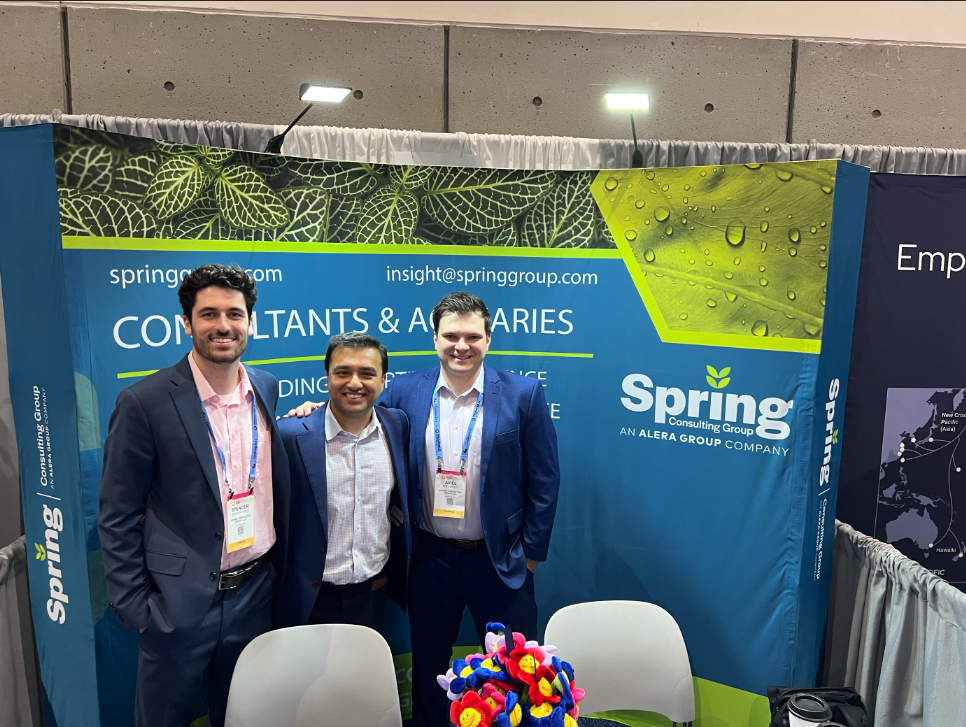
As the curtains draw on another successful RISKWORLD conference, the Spring team and I had a great time tuning into some insightful sessions and reconnecting with industry leaders. The spirit of collaboration and innovation was lively this year, and I’m excited to see what next year’s conference has in store for us.
The world of employee benefits is ever-changing. What’s hot one year may not be the next, and we are constantly seeing new products and vendors enter the market. The ebb and flow of employee benefits are typically driven by factors like workforce demands and demographics, the landscape for retention and recruitment, the economy, trends in the healthcare industry, and technological advancements. Sometimes, though, the most prominent trends stem from employers wanting to go back to the basics to understand what will drive value for employees and yield results. This doesn’t always mean selecting the “big shiny object” of the moment.
Right now, we’re in a post-pandemic world, with an economy that seems to be recovering but still has many weary, and healthcare costs that just won’t quit. Given these factors and what we are hearing from clients and colleagues, we’ve put together this list of benefits areas you should be paying attention to in 2024.
1. Healthcare Affordability
Healthcare cost trend for 2024 is projected to be around 7%. Prescription drug costs are a large factor within this bucket, but so are inflation, healthcare worker shortages, and other causes. As a result, many organizations are strategizing around how they can offer benefits that are more affordable not just for them but for their employees. Some tactics include taking a fresh look at your plan design, cost-sharing model, and pharmacy benefit program. We are also seeing a big push toward alternative funding like captive insurance or other self-insured models. Employers may also want to take more simple actions like reprioritizing preventive care and wellness to lessen the prevalence of chronic conditions and avoid high claims costs.
Another big trend is the coverage of GLP-1 drugs for weight loss, such as Ozempic and Wegovy, a decision over which many employers are weighing the pros and cons.
2. Financial Wellness
Related to affordability, there has been a resurgence of interest in programs like 401(k)s, pension plans, student debt repayment benefits, tuition reimbursement, financial literacy and coaching, and the like. In fact, Wellable reports that 30% of companies have increased their budgets related to financial wellness in 2024. Last year, IBM announced they were bringing back their pension plan in place of their previous 401(k) match program. Regardless of your priorities, there is a large market of solutions available. We recommend doing a deep dive into your population’s needs and assessing current options (e.g., 401(k) company match), to better understand how you can strategically enhance financially focused benefits.
3. Family-Forward Benefits
Benefits with families in mind include programs around parental leave, family and medical leave, caregiver leave or assistance, women’s health and reproductive benefits, bereavement leave, childcare assistance, flexible work schedules, and more. A dependent care flexible spending account (DCFSA) is a specific solution that can offset the costs of daycare or other needs. If you’re looking to make your programs more family-friendly, check out this checklist.
4. Customization
Offering tailored benefits that are personalized for an employee will continue to be a leading objective. This might include benefits like Lifestyle Spending Accounts, flexible time off or hybrid work models, voluntary benefits like pet insurance or identity theft, commuter benefits, Flexible Spending Accounts (FSAs), and more. This approach means ensuring your program is inclusive of all employees regardless of geography, gender, age, race, sexual orientation, etc., and allows for choice between the options available. It also means meeting employees where they are and ensuring you are covering your bases when it comes to telehealth and mental health services.
5. Upskilling & Professional Development
Employers increasingly understand that it is often worth the investment to upskill current talent rather than to continuously hire out for certain roles. This is not only good for business but goes a long way in the realms of employee morale, engagement, and productivity. In fact, a 2022 Conference Board report found that 58% of those surveyed would be more likely to leave if not provided professional development skills and opportunities. As such, we have seen an uptick in programs surrounding mentorship, education and training, including learning management systems, peer coaching, job rotations, and well-defined career paths based on certain milestones.
We’re excited to see these trends take shape and the impacts they’ll have on the benefits sphere! If you could use help evaluating or implementing any facet of your benefits program, please get in touch with the Spring team.
Preventive care is a critical component to wellness. Often people without known health issues overlook their preventive care, but it is critical to prevent illness as well as identify conditions or diseases early on. Healthcare has historically focused on treatment of disease, but prevention is just as important, and employers are focused on prevention in order to manage cost, productivity and overall employee wellbeing.
Defining Preventive Care
Preventive care begins with an annual visit to your primary care provider, which may be a physician assistant, nurse practitioner, or medical doctor. These providers practice general medicine and can be your gateway to additional providers as necessary. In some instances, OBGYNs may also be deemed primary care providers.
Since the Affordable Care Act (ACA) was passed, true preventive care has been available at no out-of-pocket costs for individuals enrolled in health insurance through their employer or the marketplace, assuming they seek care in-network. Additionally, utilization of preventative services can lead to decreased medical care costs due to decreased inpatient care and higher prioritization of a healthy lifestyle. In fact, the National Center for Biotechnology Information reported that a 90% delivery rate of primary preventive services could reduce healthcare expenditures by $53.9 billion.
While the minimal cost of these services for individuals should encourage high utilization, very few people access all the recommended preventive services, and this has declined over the past decade. For instance, in 2015, 8.5% of adults aged 35 and above received appropriate recommended clinical preventative services. This decreased to 6.9% in 2018 and 5.3% in 2020.1 While the use of preventive services in 2020 took a hit largely due to the COVID-19 pandemic, the negative trend in general is cause for concern. The cause for this decline is unknown but could be due to overall confusion and exhaustion among healthcare consumers in trying to navigate the landscape.
Preventive Care vs. Office Visits
Some patients are frustrated and confused when they seek preventive care (i.e., annual visit to a provider) but are billed and charged for an office visit. This is a challenge, partially due to billing codes, and one that the state and federal governments may address in the future.
To clarify, a preventive visit is to review your overall health, identify risks, and talk about staying healthy. An office visit is time to discuss a specific health concern or condition. Unfortunately, if a patient has a health issue, it’s nearly impossible to have a preventive visit without that conversation expanding into an office visit. If this is a concern, patients should talk to their provider in advance to avoid confusion or unexpected charges.
Defining Prevention
Preventive care is used to refer to routine screenings, tests, checkups, patient counseling and vaccines, which vary based on an individual’s risk factors and phase in life. Preventative screenings include2:
- Abdominal aortic aneurysm one-time screening for men of specified ages who have ever smoked
- Alcohol misuse screening and counseling
- Aspirin use to prevent cardiovascular disease and colorectal cancer for adults 50 to 59 years with a high cardiovascular risk
- Blood pressure screening
- Cholesterol screening for adults of certain ages or at higher risk
- Colorectal cancer screening for adults 45 to 75
- Depression screening
- Diabetes (Type 2) screening for adults 40 to 70 years who are overweight or obese
- Diet counseling for adults at higher risk for chronic disease
- Falls prevention (with exercise or physical therapy and vitamin D use) for adults 65 years and over, living in a community setting
- Hepatitis B screening for people at high risk, including people from countries with 2% or more Hepatitis B prevalence, and U.S.-born people not vaccinated as infants and with at least one parent born in a region with 8% or more Hepatitis B prevalence
- Hepatitis C screening for adults aged 18 to 79 years
- HIV screening for everyone age 15 to 65, and other ages at increased risk
- PrEP (pre-exposure prophylaxis) HIV prevention medication for HIV-negative adults at high risk for getting HIV through sex or injection drug use
- Immunizations for adults — doses, recommended ages, and recommended populations vary:
- Chickenpox (Varicella)
- Diphtheria
- Flu (influenza)
- Hepatitis A
- Hepatitis B
- Human Papillomavirus (HPV)
- Measles
- Meningococcal
- Mumps
- Whooping Cough (Pertussis)
- Pneumococcal
- Rubella
- Shingles
- Tetanus
- Lung cancer screening for adults 50 to 80 at high risk for lung cancer because they’re heavy smokers or have quit in the past 15 years
- Obesity screening and counseling
- Sexually transmitted infection (STI) prevention counseling for adults at higher risk
- Statin preventive medication for adults 40 to 75 at high risk
- Syphilis screening for adults at higher risk
- Tobacco use screening for all adults and cessation interventions for tobacco users
- Tuberculosis screening for certain adults without symptoms at high risk
In addition to the list above from healthcare.gov discussion around family history, personal risks, physical assessment (weight, height, blood pressure, pulse, assessment of heart and lungs, visual assessment of ears, eyes, throat, skin, and abdomen), and routine screenings for cancer (breast, cervical and prostate) are typically included in your annual exam.3
These tests and general preventative services can help identify specific risk factors in an individual’s life that may lead to possible disease. Early identification and treatment can increase longevity or quality of life and avoid more costly procedures down the road.
Employer Focus on Prevention
Employers typically view preventative care as an opportunity to both reduce their medical costs as well as support employee wellness and productivity and should find ways to encourage the use of these services by their employees. Some simple campaigns that focus on educating their employee population about available in-network services and the importance of care when they are healthy can support this goal. Employers have also looked to develop wellness programs for the workplace to incent employees to make healthy lifestyle decisions as well as make those lifestyle choices more accessible. Some health plans also have incentives built in for activities like making your annual physical appointment or joining a gym.
The benefits to preventative care exist for everyone – employers will benefit from a healthier and more engaged workforce that leads to lesser claims costs, and employees can reduce health risks by acting before illness or disease can cause a significant impact on their lives.
As an employer, you should work with your third party administrator or carrier to understand how your population is doing against screening targets. If you are falling short, or having returned to pre-pandemic levels it may be in the best interest of your employees to educate them on preventive care, share targets with them and perhaps build incentives for prevention. This should go beyond medical to also look at dental and vision screenings, which are often a solid predictor of overall preventive health. Some of our clients, like the edHEALTH consortium, offer additional reporting, insights, and resources to support their educational institutions when it comes to promoting preventive care.
If you could use guidance around how to drive participation in preventive care within your population, the Spring team would be happy to help.
1 Healthy People 2030, Adults receiving recommended clinical preventive services, 2015-2020
2 https://www.healthcare.gov/preventive-care-adults/
3 Institutions who are self-insured have flexibility in offering benefits; however, the coverage provided in the Affordable Care Act provides a solid baseline.